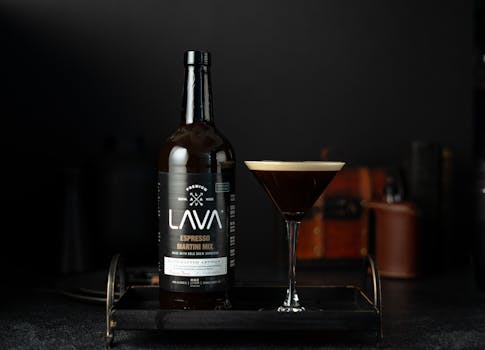
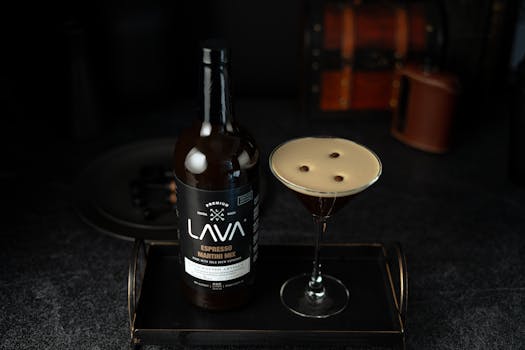
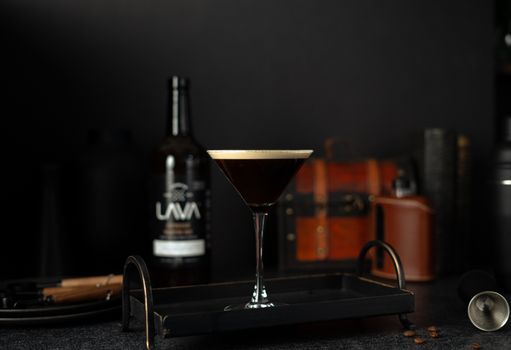
When I first started bartending in 2018, I thought the Espresso Martini was just another trendy Instagram drink. Then I served one to a regular who'd been drinking them since the 90s—she took one sip of my perfectly Instagram-worthy creation and politely asked if I could "make it stronger, like they used to." That moment sent me down a fascinating rabbit hole of coffee cocktail history that completely changed how I approach this iconic drink.
The Birth of an Icon: Dick Bradsell's Revolutionary Moment
The Espresso Martini's story begins in 1983 at London's Soho Brasserie, where bartender Dick Bradsell faced a challenge that would reshape cocktail culture. A young model approached his bar requesting something that would "wake me up and then f**k me up." Bradsell's response? A revolutionary combination of vodka, coffee liqueur, fresh espresso, and sugar syrup that he initially called the "Vodka Espresso."
Bradsell wasn't just mixing drinks—he was pioneering the concept of using fresh espresso in cocktails. Before 1983, coffee cocktails typically relied on cold brew or liqueurs alone. His innovation of incorporating hot, freshly pulled espresso shots created that signature foam crown that defines the drink today.
The Classic Foundation: Breaking Down Bradsell's Original
The original Vodka Espresso followed a precise formula that many modern bartenders have forgotten:
- 2 oz Premium vodka (Bradsell preferred Absolut)
- 0.5 oz Kahlúa coffee liqueur
- 1 shot fresh espresso (pulled directly into the shaker)
- 0.25 oz sugar syrup
The technique was equally important: hard shake with ice for 15-20 seconds, double strain into a chilled coupe, and serve immediately while the crema was still intact.
The Name Game: From Vodka Espresso to Martini
Interestingly, the drink wasn't called an "Espresso Martini" until the late 1990s. The name evolved as American bartenders adopted the drink, capitalizing on the "martini" trend that swept through cocktail culture during that decade. Anything served in a V-shaped glass became a "martini," regardless of whether it contained gin or vermouth.
This rebranding proved genius from a marketing perspective, but it also created confusion. Traditional martini purists argued (correctly) that the drink contained no gin or vermouth, while coffee lovers embraced the sophisticated association.
Regional Variations: How Different Countries Adapted the Recipe
Australia's Coffee Shop Influence
Australian bartenders, drawing from their intense coffee culture, began using single-origin espresso beans and reducing the sugar content. They also popularized the "affogato martini" variation, adding a small scoop of vanilla ice cream.
Italian Refinements
Italian bars naturally gravitated toward using sambuca instead of vodka in some variations, creating a more anise-forward profile that complemented their espresso traditions.
American Craft Movement
US craft bartenders in the 2000s began experimenting with different base spirits—bourbon, rum, and even mezcal—while maintaining the coffee-forward profile.
Modern Evolution: Craft Bartenders Push Boundaries
When I visited Death & Co in New York last year, their bartender showed me their current Espresso Martini variation using Reposado tequila and cold brew concentrate instead of hot espresso. The result maintained that essential coffee-alcohol balance while adding agave complexity I'd never experienced in the drink before.
Today's craft movement has transformed the Espresso Martini in several key ways:
Premium Coffee Sourcing
High-end bars now partner with specialty roasters, using single-origin beans and adjusting recipes based on the coffee's flavor profile. Light roasts require different liqueur ratios than dark roasts.
Homemade Liqueurs
Many establishments create their own coffee liqueurs using locally roasted beans, reducing the sweetness level and increasing coffee intensity.
Alternative Sweetening
Maple syrup, honey, and agave nectar have replaced simple syrup in many modern recipes, adding complexity layers that complement specific vodka brands.
The Science Behind the Perfect Foam
That Instagram-worthy foam crown isn't just aesthetic—it's chemistry. Fresh espresso contains oils and proteins that, when shaken vigorously with alcohol and sugar, create stable microfoam. The foam dissipates quickly, which is why timing is crucial.
Temperature plays a critical role too. Hot espresso creates more dramatic foam but also dilutes the drink faster. Some modern bartenders use room-temperature espresso concentrate to maintain foam stability while preserving alcohol strength.
The rise of the Espresso Martini coincided with better bar equipment. Professional-grade espresso machines became more accessible, and specialized cocktail shakers designed for foam creation entered the market.
For home bartenders, I recommend investing in a quality Boston shaker from Amazon—the Cocktail Kingdom Koriko shaker creates better foam than cheaper alternatives, though it comes with a higher price point. Total Wine also carries excellent cocktail strainers that prevent over-dilution during the double-strain process.
Current Trends: Where the Espresso Martini is Heading
Sustainability Focus
Many bars now source organic, fair-trade coffee and use eco-friendly practices in their coffee cocktail programs.
Batch Preparation
High-volume establishments pre-batch Espresso Martini base, adding fresh espresso only when ordered to maintain quality while improving service speed.
Dessert Integration
The line between cocktail and dessert continues blurring, with bartenders incorporating elements like chocolate dust, caramel drizzles, and flavored whipped creams.
Making It at Home: Modern Equipment and Techniques
Home bartenders today have advantages Dick Bradsell never imagined. Quality espresso machines under $200 can produce café-level shots, and cocktail supplies are more accessible than ever.
Key equipment for home Espresso Martini success:
The Future of Coffee Cocktails
The Espresso Martini's evolution continues accelerating. Molecular gastronomy techniques are creating foam pearls and coffee caviar garnishes. Some bartenders experiment with nitrogen infusion, creating creamy textures without dairy.
Cannabis legalization in various regions has also sparked CBD coffee cocktails, though these remain niche experiments rather than mainstream trends.
Responsible Enjoyment: Coffee and Alcohol Considerations
Remember that Espresso Martinis combine stimulants and depressants, which can mask alcohol's effects. The caffeine might make you feel more alert than you actually are, so pace yourself accordingly. One strong Espresso Martini contains roughly the same caffeine as a shot of espresso plus significant alcohol content—plan your evening accordingly and never drive after consuming any alcoholic beverages.
The Espresso Martini's 40-year journey from London experiment to global phenomenon demonstrates cocktail culture's dynamic nature. Dick Bradsell's simple innovation—adding fresh espresso to a cocktail—spawned countless variations while maintaining its essential appeal: the perfect marriage of coffee's energy and alcohol's sophistication.