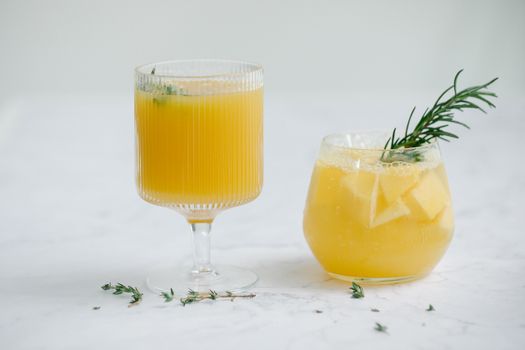
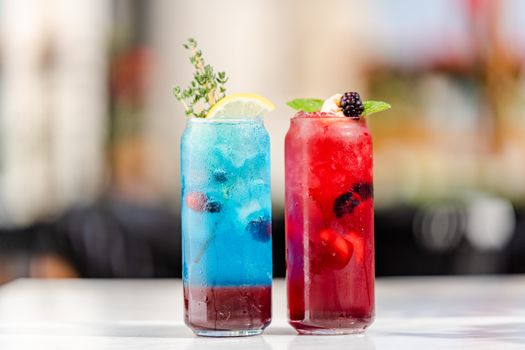
I'll be honest—when I first started experimenting with adaptogenic mocktails three years ago, I was skeptical. Could a drink with ashwagandha and elderflower really compete with my beloved gin and tonic? After testing over 50 different combinations using my trusty OXO Steel Cocktail Shaker from Amazon, I can confidently say these wellness-focused drinks aren't just trendy—they're genuinely delicious and leave you feeling energized instead of depleted.
The Wellness Drink Revolution Is Here
The landscape of social drinking has fundamentally shifted. What started as "Dry January" has evolved into a year-round movement toward mindful consumption. Mocktails and low-ABV wellness drinks aren't just alternatives anymore—they're the stars of the show.
This isn't about deprivation. It's about expansion. These drinks incorporate functional ingredients like adaptogens, nootropics, and botanicals that actually enhance your well-being while delivering complex, sophisticated flavors that rival any traditional cocktail.
Understanding Low-ABV: The Sweet Spot
Low-ABV drinks typically contain 0.5% to 15% alcohol by volume, compared to standard cocktails that clock in around 20-40%. This range allows for social lubrication without the cognitive fog or next-day regret.
The Magic Numbers
- 0-0.5% ABV: True mocktails and non-alcoholic spirits
- 1-5% ABV: Session-strength drinks (think kombucha with a kick)
- 6-15% ABV: Wine and beer territory, perfect for extended socializing
Essential Wellness Ingredients to Stock
Adaptogens: Nature's Stress Busters
- Ashwagandha: Calming, slightly earthy
- Rhodiola: Energizing without jitters
- Reishi: Deeply relaxing, slightly bitter
- Lion's Mane: Brain-boosting, neutral flavor
Functional Botanicals
- Elderflower: Floral, sophisticated
- Hibiscus: Tart, beautiful color
- Lavender: Calming aromatics
- Turmeric: Anti-inflammatory golden hue
Nootropic Additions
- L-theanine: Calm focus (pairs beautifully with citrus)
- GABA: Natural relaxation
- Ginkgo: Mental clarity
Game-Changing Mocktail Recipes
The Adaptogenic Spritz
*My personal favorite for dinner parties*
Ingredients:
- 4 oz elderflower sparkling water
- 2 oz fresh grapefruit juice
- 1 oz rosemary simple syrup
- 1/4 tsp ashwagandha powder
- Fresh rosemary sprig
- Grapefruit wheel
Method:
1. Muddle ashwagandha with rosemary syrup in shaker
2. Add grapefruit juice and shake with ice
3. Strain into wine glass over fresh ice
4. Top with elderflower sparkling water
5. Garnish with rosemary and grapefruit
Golden Milk Martini
*Anti-inflammatory elegance*
Ingredients:
- 3 oz oat milk
- 1 oz coconut cream
- 1/2 oz maple syrup
- 1/4 tsp turmeric powder
- Pinch of black pepper
- Pinch of cinnamon
- Coconut flakes for rim
Method:
1. Rim coupe glass with coconut flakes
2. Combine all ingredients in shaker with ice
3. Shake vigorously for 30 seconds
4. Double strain into prepared glass
5. Dust with cinnamon
The Focus Fizz
*Nootropic enhancement in a glass*
Ingredients:
- 3 oz tonic water
- 2 oz fresh lemon juice
- 1 oz honey syrup
- 1/4 tsp L-theanine powder
- 3-4 fresh mint leaves
- Lemon twist
Method:
1. Muddle mint with honey syrup
2. Add lemon juice and L-theanine
3. Shake with ice
4. Strain into highball glass over ice
5. Top with tonic water
6. Express lemon twist oils over drink
Low-ABV Cocktail Mastery
Session Negroni
*All the complexity, half the alcohol*
Ingredients:
Method:
1. Combine all ingredients in mixing glass with ice
2. Stir for 30 seconds
3. Strain over large ice cube in rocks glass
4. Express orange peel oils and drop in glass
Kombucha Moscow Mule
*Probiotic twist on a classic*
Ingredients:
- 4 oz ginger kombucha
- 1 oz fresh lime juice
- 0.5 oz ginger syrup
- Fresh mint sprig
- Candied ginger
- Copper mug (if you have one)
Method:
1. Add lime juice and ginger syrup to mug
2. Fill with ice
3. Top with kombucha
4. Stir gently
5. Garnish with mint and candied ginger
Pro Tips for Perfect Wellness Drinks
Balance Is Everything
When I first started incorporating adaptogens, I made the mistake of adding too much ashwagandha to a lavender lemonade—the result was undrinkably bitter. Start with 1/8 teaspoon of any powder and adjust from there. These ingredients are potent.
Texture Matters
Use a fine-mesh strainer for any drinks with powdered ingredients. The Cocktail Kingdom Hawthorne Strainer from Total Wine has been my go-to for achieving silky-smooth textures.
Temperature Control
Many wellness ingredients are heat-sensitive. Never add adaptogens or nootropics to hot liquids above 140°F, or you'll destroy their beneficial properties.
Timing Considerations
- Morning drinks: Focus on energizing adaptogens like rhodiola
- Afternoon: Balanced options with L-theanine
- Evening: Calming ingredients like reishi or GABA
The Social Aspect: Making Wellness Drinks Fun
Presentation Is Key
Serve these drinks with the same care and ceremony as traditional cocktails. Use proper glassware, garnishes, and ice. The ritual matters as much as the ingredients.
Batch Preparation
Many wellness syrups can be made ahead. I keep adapting simple syrups in my fridge for up to two weeks, clearly labeled with ingredients and dates.
Education Over Explanation
When serving guests, focus on flavors first: "This has notes of citrus and herbs with a floral finish." Save the wellness benefits for interested parties.
Cost Considerations and Sourcing
High-quality adaptogens and nootropics aren't cheap, but a little goes a long way. Expect to pay $20-40 for a month's supply of most powdered adaptogens. Source from reputable suppliers who provide third-party testing results.
For occasional use, consider pre-made functional beverages like Kin Euphorics or Curious Elixirs, though making your own is more cost-effective long-term.
The Future of Mindful Drinking
This movement isn't slowing down. We're seeing bars dedicated entirely to functional beverages, and major liquor companies are investing heavily in low-ABV and non-alcoholic alternatives.
The key is approaching these drinks with the same respect and creativity we give traditional cocktails. They're not consolation prizes—they're sophisticated beverages that happen to make you feel better instead of worse.
Remember: Whether you're exploring mocktails for health reasons, pregnancy, medication interactions, or simple curiosity, always drink responsibly and consult healthcare providers about potential interactions with any medications or health conditions.
Frequently Asked Questions
Are adaptogens safe to consume daily in mocktails?
Most adaptogens are generally safe for daily consumption in small amounts (1/8 to 1/4 teaspoon), but it's best to consult with a healthcare provider, especially if you're pregnant, nursing, or taking medications. Start with smaller amounts and pay attention to how your body responds.
How do low-ABV drinks compare to regular cocktails in terms of calories?
Low-ABV drinks typically contain 30-50% fewer calories than traditional cocktails since alcohol is calorie-dense (7 calories per gram). However, wellness drinks with added syrups or functional ingredients may offset some savings. Focus on fresh juices and natural sweeteners for the healthiest options.
Can I make wellness mocktails ahead of time for parties?
Yes! Batch the base ingredients without carbonation or ice up to 24 hours ahead. Add sparkling elements and ice just before serving. Store batched cocktails in the refrigerator and give them a good stir before serving since some ingredients may separate.
Where can I buy quality adaptogens and nootropics for cocktails?
Look for reputable supplement companies that provide third-party testing, such as Four Sigmatic, Moon Juice, or Sun Potion. Many health food stores and Amazon also carry quality options. Always check for organic certification and avoid products with artificial fillers.
Do mocktails and low-ABV drinks provide actual health benefits?
While individual results vary, many ingredients used in wellness drinks have research-backed benefits. Adaptogens like ashwagandha may help with stress management, while ingredients like turmeric provide antioxidants. However, these drinks shouldn't replace a balanced diet or medical treatment.