The Piña Colada Rule Nobody Follows (And Why Your Drink Tastes Like a Slushie)
Here's an unpopular opinion: most Piña Coladas are bad. Not because the recipe is complicated — it's genuinely one of the easiest three-ingredient cocktails out there — but because people use the wrong coconut product, over-dilute with ice, and skip the one step that actually makes it taste like a beach vacation instead of a Slurpee.
I learned this the hard way at my sister's rehearsal dinner in Key West back in 2019. I made a batch of Piña Coladas for 40 people using canned coconut milk (the kind meant for curry) instead of cream of coconut. The result was watery, barely sweet, and honestly kind of sad next to the actual ocean view we were drinking it in front of. That mistake sent me down a two-year rabbit hole of testing ratios, blenders, and coconut brands until I landed on a version people actually ask me to make on repeat.
What You Actually Need (It's Only Four Things)
A real Piña Colada has exactly four components. Everything else is a variation.
- 2 oz white rum (I use Bacardi Superior for a clean base, but Plantation 3 Stars adds a funkier depth if you want something more interesting)
- 3 oz pineapple juice (fresh-squeezed if you're feeling ambitious, Dole from the can if you're not — I honestly can't tell the difference after the third round)
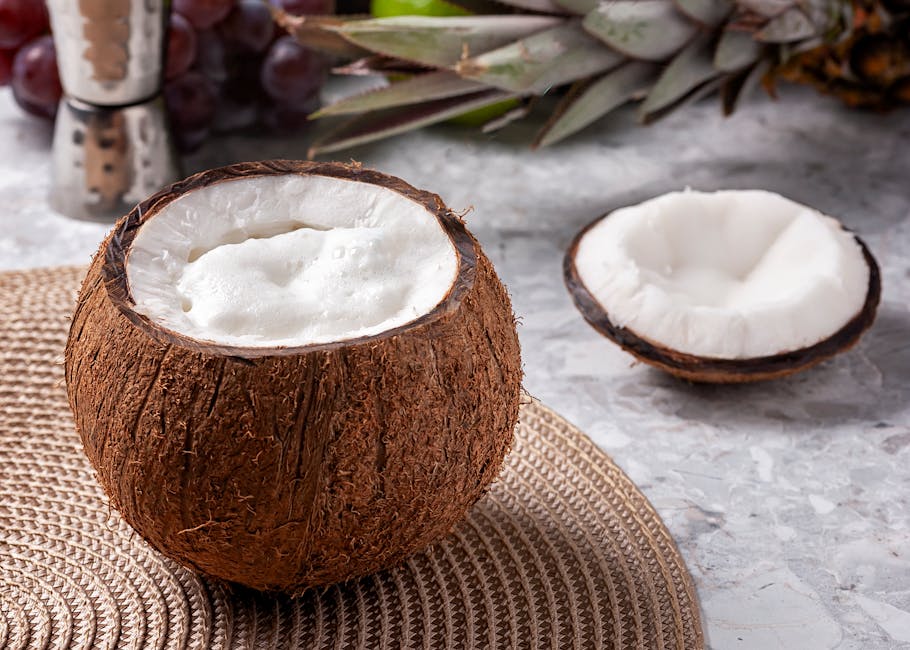
- 2 oz cream of coconut (not coconut milk, not coconut cream — this distinction matters more than anything else on this list)
- 1 cup crushed ice
That's it. No grenadine, no pineapple wedge floating in there for decoration purposes only (though go ahead and garnish if you want the Instagram shot).
The Cream of Coconut Situation
This is where 90% of home Piña Coladas go wrong. Cream of coconut is a thick, heavily sweetened syrup — think Coco Lopez, not the coconut cream you'd use in a curry. I've tested five brands side by side: Coco Lopez, Coco Real, Goya, Trader Joe's, and a store-brand from Total Wine. Coco Lopez is the industry standard for a reason — consistent sweetness, smooth texture, no separation issues. Coco Real (the squeeze bottle) is my actual favorite for home use because it doesn't need shaking and pours cleanly, but it's noticeably sweeter, so I dial back to 1.5 oz when I use it.
Skip coconut milk entirely unless you're making a lighter, less sweet variation on purpose. It'll taste thin no matter how much sugar you add.
The Actual Method
1. Add rum, pineapple juice, and cream of coconut to a blender.
2. Add 1 cup crushed ice (not cubes — crushed ice blends smoother and faster, and your blender motor will thank you).
3. Blend on high for 20-30 seconds until completely smooth with no ice chunks visible.
4. Pour into a hurricane glass or anything tall enough to hold 10-12 oz.
5. Garnish with a pineapple wedge and a maraschino cherry if you're feeling fancy, or don't bother — the drink tastes identical either way.
The whole thing takes about 90 seconds start to finish, which is honestly faster than making a decent margarita from scratch.
Blender Talk
A regular home blender works fine, but if you're making these for more than 4 people at once, invest in something with real crushing power. I run mine through a Ninja Professional Blender (the 1000-watt one, around $90 on Amazon) and it turns cubed ice into slush in under 15 seconds — no pre-crushing required. My old $30 blender used to leave gritty ice chunks no matter how long I ran it, which ruins the whole texture experience. If you're setting up a home bar seriously, it's worth the upgrade before you buy fancier bottles.
Shaken vs. Frozen: The Debate Nobody Asked For
The frozen, blended version is the one everyone pictures, but a shaken Piña Colada — same ingredients, shaken hard with ice and strained over fresh ice — is a legitimately good drink too, and it doesn't turn into a puddle in 10 minutes on a hot patio. If you're serving these outdoors in July, I'd actually recommend the shaken route. Frozen versions taste incredible for the first five minutes and then start weeping into a sad, diluted mess once the sun gets to them.
Making a Pitcher for a Crowd
Multiply everything by however many servings you need, but blend in batches — most home blenders max out around 4-5 drinks worth of liquid before the ice stops crushing evenly. For a party of 12, I do three separate blends of a quadrupled recipe rather than trying to force one giant batch, which just leaves you with unevenly blended sludge at the bottom.
If you want a genuinely no-fuss party setup, a countertop margarita/frozen drink machine (Total Wine sells a decent one, and there are a handful of options on Amazon in the $150-200 range) will save you from standing at the blender all night. I borrowed one for a graduation party last summer and it kept a steady stream of Coladas going for three hours without me touching a blender pitcher once.
The Virgin Version (And Why It's Not Sad)
Drop the rum, keep everything else the same, and add an extra half ounce of pineapple juice to make up the volume. It's not a consolation prize — I've served this to guests who don't drink and gotten genuine "wait, this is non-alcoholic?" reactions. The coconut and pineapple combo does most of the flavor work; the rum is mostly there for warmth, not taste.
A Few Mistakes I've Made So You Don't Have To
- Using coconut milk instead of cream of coconut. Covered above, but it bears repeating because it's the single most common mix-up.
- Ice cubes instead of crushed ice. Your blender will struggle, and you'll end up over-blending to compensate, which waters everything down.
- Skipping the shake test. Cream of coconut settles in the can/bottle. Always shake or stir it before measuring, or your first drink of the batch will be way sweeter than the last.
- Forgetting it's a strong drink disguised as dessert. Two ounces of rum blended with fruit juice tastes like nothing, which is exactly why Piña Coladas sneak up on people. Pace yourself, drink water between rounds, and never drink and drive — this one goes down easy and hits later than you'd expect.
Beyond the blender, a jigger for accurate pours (eyeballing rum measurements is how you end up with a much stronger drink than intended) and a good citrus juicer if you're going the fresh pineapple route make this whole process smoother. Both are cheap — under $15 each on Amazon — and they'll upgrade every other cocktail you make, not just this one.
Frequently Asked Questions
What's the difference between cream of coconut and coconut cream?
Cream of coconut (like Coco Lopez) is a sweetened, syrupy product made for cocktails and desserts. Coconut cream is unsweetened and thicker, meant for savory cooking. Using coconut cream in a Piña Colada will leave it under-sweetened and missing that classic flavor — you'd need to add sugar separately to compensate.
Can I make a Piña Colada without a blender?
Yes — shake all the ingredients hard with ice for about 15 seconds, then strain over fresh ice in a tall glass. You lose the frozen slush texture, but you get a cocktail that holds up longer without melting, which is actually preferable for outdoor summer serving.
How much alcohol is in a standard Piña Colada?
A standard recipe uses 2 oz of white rum, putting the drink around 12-14% ABV once blended with juice and ice — roughly similar to a glass of wine, though it drinks much easier because the sweetness masks the alcohol. Pace accordingly.
Can I make Piña Coladas ahead of time for a party?
You can pre-measure and combine the rum, pineapple juice, and cream of coconut in a pitcher and refrigerate for up to 24 hours, then blend with fresh ice right before serving. Don't blend the full drink ahead of time — it separates and loses its texture within about 20 minutes.
What rum works best for a Piña Colada?
undefined