Forget everything you think you know about cocktails. The most exciting drinks happening right now aren't sweet, fruity, or even balanced in the traditional sense—they're savory, earthy, and packed with umami. When I first encountered a shiitake mushroom Old Fashioned at Death & Co in New York three years ago, I was skeptical. But that first sip changed everything I thought possible in a glass.
Savory and umami cocktails represent a fundamental shift in how we think about mixed drinks. These aren't your grandmother's cocktails, and they're definitely not trying to mask alcohol with sugar. Instead, they embrace ingredients from the kitchen—think miso paste, mushroom powders, seaweed, and fresh herbs—to create complex, food-forward experiences that pair beautifully with dinner or stand alone as liquid appetizers.
What Makes a Cocktail Truly Savory?
The distinction between savory and traditional cocktails goes beyond just avoiding simple syrup. True savory cocktails incorporate ingredients that trigger our fifth taste—umami—along with salt, herbs, vegetables, and other non-sweet elements that we associate more with cooking than mixing drinks.
I've experimented with over 40 different savory cocktail recipes in the past two years, and the most successful ones share three key characteristics: they feature at least one ingredient you'd find in a professional kitchen rather than a bar, they balance salinity without becoming overwhelming, and they create a drinking experience that feels more like liquid food than traditional cocktails.
The umami component is crucial. This Japanese term, literally meaning "pleasant savory taste," comes from glutamates found naturally in ingredients like aged cheeses, mushrooms, tomatoes, and fermented products. When these elements appear in cocktails, they create depth and complexity that keeps you coming back for another sip.
Essential Savory Ingredients for Your Home Bar
Fermented and Aged Elements
Miso paste tops my list of game-changing cocktail ingredients. White miso works beautifully in whiskey-based drinks, while red miso pairs surprisingly well with mezcal. Start with just 1/4 teaspoon per cocktail—a little goes a long way.
Soy sauce might sound crazy in a cocktail, but high-quality tamari or aged soy sauce adds incredible depth. Use it like you would bitters—just a few dashes.
Fish sauce pushes boundaries even further. Vietnamese or Thai fish sauce, used sparingly (we're talking 2-3 drops), adds complexity to spirit-forward cocktails without making them taste fishy.
Fresh and Dried Vegetables
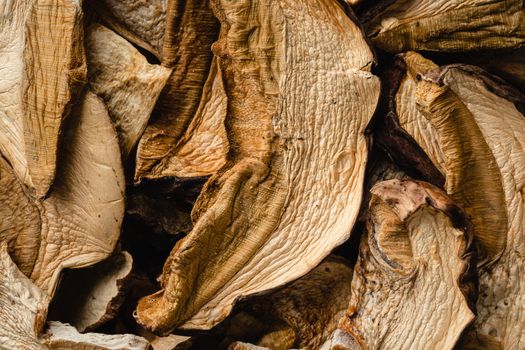
Mushroom powder created from dried shiitakes or porcinis provides earthy umami without texture issues. You can make your own by grinding dried mushrooms in a spice grinder or purchase pre-made versions from specialty food stores.
Fresh herbs beyond the usual suspects work wonders. Rosemary, thyme, sage, and even basil create aromatic complexity. Muddle gently or use as garnish.
Celery juice and tomato juice serve as excellent bases for savory cocktails, providing both flavor and body.
Fat-Washing for Savory Depth
Fat-washing involves infusing spirits with fats, then freezing to separate and strain. I've successfully fat-washed bourbon with bacon fat for a smoky Old Fashioned variation, and vodka with olive oil for Mediterranean-inspired martinis. The process takes 4-6 hours but creates incredibly smooth, rich spirits with subtle savory notes.
Saline Solutions
A 20% saline solution (1 part salt to 4 parts water) works like magic in cocktails. Just 2-3 drops enhance other flavors without making drinks taste salty. This technique works especially well in spirit-forward cocktails where you want to highlight the base spirit's characteristics.
Herb and Vegetable Infusions
Quick infusions using fresh herbs or vegetables can transform basic spirits in 30-60 minutes. I regularly infuse gin with cucumber and rosemary, or vodka with fresh dill and black pepper. Strain through fine mesh after infusing to remove plant matter.
Five Game-Changing Savory Cocktail Recipes
The Umami Old Fashioned
- 2 oz bourbon
- 1/4 tsp white miso paste
- 2 dashes soy sauce
- 1 dash orange bitters
- Expressed orange peel
Stir miso with a small amount of bourbon until dissolved, add remaining ingredients, stir with ice, strain over large cube.
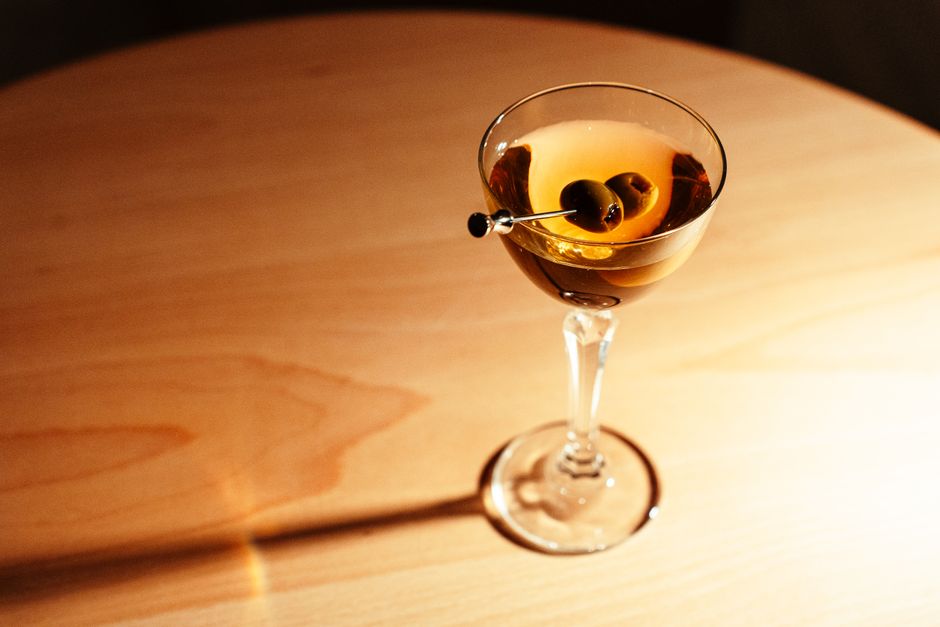
Shiitake Mushroom Martini
- 2.5 oz vodka infused with dried shiitakes (24 hours)
- 0.5 oz dry vermouth
- 2 drops saline solution
- Roasted mushroom garnish
Stir with ice, strain into chilled coupe, garnish with thin roasted mushroom slice.
Garden Gimlet
- 2 oz gin
- 0.75 oz fresh lime juice
- 0.5 oz simple syrup
- 4 cucumber slices
- 3 fresh basil leaves
- Pinch of sea salt
Muddle cucumber and basil gently, add remaining ingredients, shake with ice, double strain.
Bloody Mary Reimagined
- 1.5 oz vodka
- 4 oz fresh tomato juice
- 0.25 oz lemon juice
- 2 dashes Worcestershire
- 1 dash fish sauce
- Fresh cracked pepper
- Celery salt rim
Build in glass over ice, stir gently, garnish with cherry tomato and fresh herbs.
Smoky Mezcal Miso Sour
- 2 oz mezcal
- 0.75 oz lime juice
- 0.5 oz agave nectar
- 1/4 tsp red miso paste
- 1 egg white
- Smoked salt rim
Dry shake all ingredients, shake again with ice, double strain into coupe with smoked salt rim.
Pairing Savory Cocktails with Food
Savory cocktails excel as dinner companions in ways traditional cocktails cannot. The umami elements create natural bridges to food flavors, while the reduced sweetness prevents palate fatigue during meals.
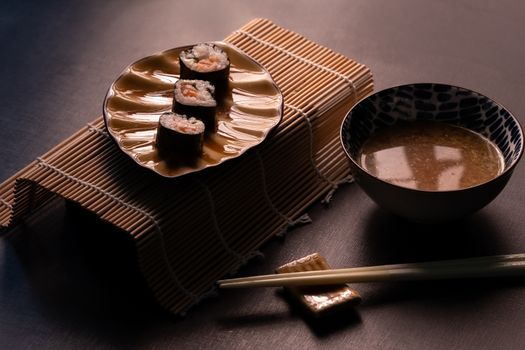
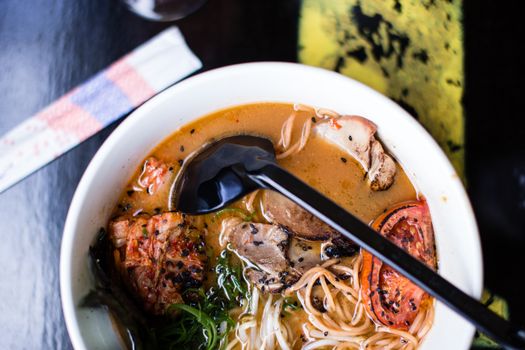
Miso-based cocktails pair beautifully with Asian cuisine, particularly dishes featuring fermented elements like kimchi or aged tofu. Mushroom cocktails complement earthy dishes—think roasted vegetables, game meats, or dishes with truffle elements. Herb-forward cocktails work excellently with Mediterranean cuisine or dishes featuring similar herb profiles.
When I hosted a dinner party last month featuring a five-course tasting menu, I matched each course with a different savory cocktail instead of wine. The guests were initially skeptical but ended up requesting the recipes for every single drink.
Advanced Equipment for Savory Cocktail Success
While you can make excellent savory cocktails with basic bar tools, certain equipment elevates the experience. A high-quality muddler is essential for herb-based cocktails—I recommend the OXO Steel Muddler from Amazon for its comfortable grip and effective crushing surface.
For infusions and fat-washing, wide-mouth mason jars work perfectly and cost significantly less than specialized infusion vessels. Fine-mesh strainers become crucial when working with herb-infused spirits or cocktails containing small particles.
A digital scale helps achieve consistency with ingredients like miso paste or mushroom powder, where precision matters more than with traditional cocktail ingredients. The American Weigh Scales LB-3000 from Total Wine provides excellent accuracy for cocktail measurements.
Common Mistakes and How to Avoid Them
The biggest mistake I see home bartenders make with savory cocktails is going overboard with savory elements. Start with less than you think you need—you can always add more, but you can't take it back. I learned this lesson the hard way when I ruined an entire batch of miso-infused bourbon by using three times the recommended amount.
Another common error involves improper storage of vegetable-based ingredients. Fresh herb infusions should be strained and refrigerated within 2 hours to prevent spoilage, and fermented ingredients like miso should be stored properly between uses.
Balance remains crucial even in savory cocktails. These drinks still need acidity, and completely eliminating sweetness often creates unpalatable results. A small amount of simple syrup or agave can bridge flavors without making the drink sweet.
The Future of Savory Cocktails
Savory and umami cocktails represent more than a trend—they're a fundamental evolution in cocktail culture. As diners become more adventurous and seek experiences that engage all their senses, these boundary-pushing drinks satisfy desires for novelty and sophistication.
Restaurant partnerships between kitchen and bar teams continue expanding, leading to more innovative ingredient crossovers. Expect to see more cocktails featuring ingredients like miso caramel, mushroom bitters, or vegetable-based spirits in coming years.
The home cocktail enthusiast benefits from this professional innovation through increased availability of specialty ingredients and growing online communities sharing techniques and recipes. What seemed impossible five years ago now feels accessible to anyone willing to experiment.
Remember to always drink responsibly and never drink and drive. These complex flavors deserve your full attention and appreciation.