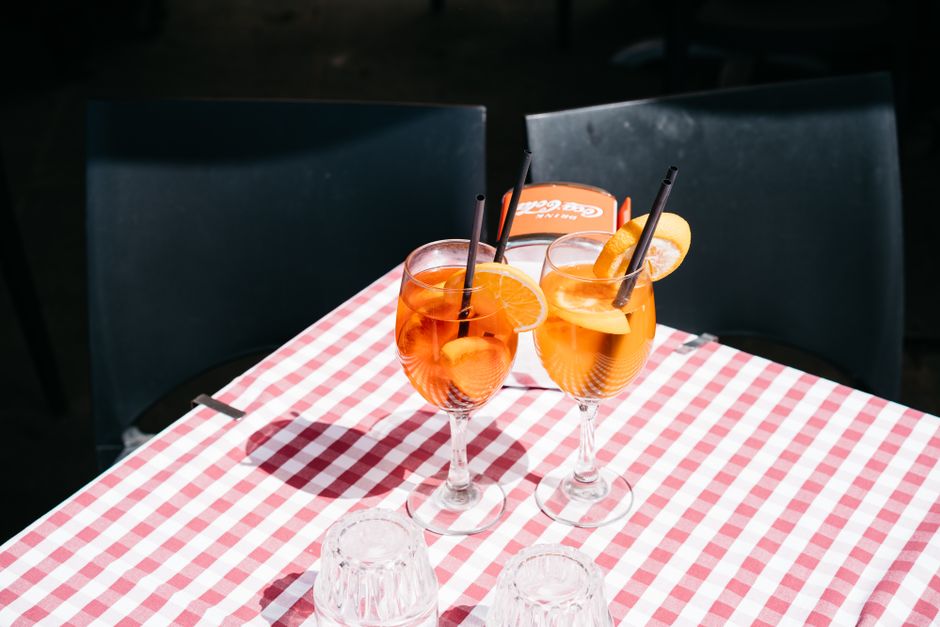
Last summer, I found myself at a rooftop bar in Rome at 6 PM, watching locals nurse bright orange Aperol Spritzes while animated conversations filled the air. What struck me wasn't just the stunning sunset—it was how these seemingly simple drinks created an entire social ritual. This was my first real taste of aperitivo culture, and it completely changed how I think about cocktails.
What Makes Aperitivo Culture So Special?
Aperitivo culture isn't just about drinking—it's about the Italian art of transitioning from day to evening with intention and community. These low-ABV spritzes, typically ranging from 8-12% alcohol, are designed to stimulate your appetite rather than overwhelm it. The word "aperitivo" comes from the Latin "aperire," meaning "to open," referring to opening the palate for the meal ahead.
When I started hosting my own aperitivo hours at home, I noticed how these lighter cocktails kept conversations flowing without the heaviness that comes with stronger drinks. My guests stayed engaged, snacked more thoughtfully, and nobody felt rushed to eat dinner by 7 PM.
The Science Behind Low-ABV Success
Low-ABV cocktails work because they balance alcohol with bitter and effervescent elements. The bitterness from ingredients like Aperol, Campari, or Cynar actually stimulates digestive juices, while the bubbles from Prosecco or soda water keep things light and refreshing. This combination creates drinks that enhance rather than dominate your evening.
The Traditional Aperol Spritz (3-2-1 Method)
- 3 parts Prosecco
- 2 parts Aperol
- 1 part soda water
- Orange slice garnish
- Served over ice in a wine glass
This ratio delivers approximately 11% ABV—perfect for extended sipping. I've tested dozens of variations, and this classic proportion consistently delivers the best balance of bitter, sweet, and effervescent.
The Campari Spritz (For Bold Palates)
- 3 parts Prosecco
- 1.5 parts Campari
- 1.5 parts soda water
- Grapefruit twist
Campari's intensity requires careful balancing. Too much, and you'll overpower the Prosecco; too little, and it disappears entirely.
The Cynar Spritz (The Dark Horse)
- 2 parts Prosecco
- 1.5 parts Cynar
- 1 part tonic water
- Lemon wheel
Cynar's artichoke base creates an earthy complexity that pairs beautifully with charcuterie.
After experimenting with various equipment, I've found these tools make the biggest difference:
Jiggers: The OXO Steel Double Jigger from Amazon provides consistent pours—crucial for maintaining proper ratios. While you could eyeball it, precise measurements ensure your drinks taste the same every time.
Wine Glasses: Large bowl wine glasses (12-14 oz) allow proper ice distribution and showcase the drink's color. Total Wine carries excellent options from Riedel that won't break the bank.
Bar Spoon: A proper bar spoon helps incorporate ingredients without over-diluting. The Cocktail Kingdom Teardrop spoon is my go-to, though it's pricier than basic options.
Citrus Peeler: For those perfect citrus twists that make Instagram-worthy garnishes.
Beyond the Basics: Creative Spritz Variations
The Elderflower Spritz
- 3 parts Prosecco
- 1 part St-Germain elderflower liqueur
- 2 parts soda water
- Cucumber ribbon
This lighter variation clocks in at about 9% ABV and offers floral notes perfect for spring evenings.
The Bitter Orange Spritz
- 2.5 parts Prosecco
- 1 part Contratto Bitter
- 1 part fresh orange juice
- 1.5 parts soda water
- Orange peel
Contratto Bitter provides complexity without Campari's intensity, while fresh orange juice adds natural sweetness.
The Autumn Spritz
- 3 parts Prosecco
- 1.5 parts Amaro Nonino
- 1 part apple cider
- 0.5 parts soda water
- Apple slice and rosemary sprig
The Art of Aperitivo Food Pairing
Aperitivo isn't complete without food, but forget heavy appetizers. Traditional accompaniments include:
- Olives and nuts: Salt enhances the spritz's bitter components
- Cheese and charcuterie: Creamy textures balance bitterness
- Focaccia or crostini: Light bread absorbs alcohol while providing substance
- Raw vegetables: Fennel, radishes, and carrots offer fresh contrast
When Low-ABV Goes Wrong: Common Mistakes
Over-dilution: Too much soda water creates fizzy, flavorless drinks. Stick to recipes until you understand the balance.
Wrong glassware: Small glasses don't accommodate proper ice and garnish. Wine glasses or large rocks glasses work best.
Flat Prosecco: Once opened, Prosecco loses carbonation quickly. Use a wine stopper and consume within 24 hours for best results.
Ignoring temperature: Warm ingredients kill the refreshing quality. Chill everything beforehand.
The Social Psychology of Lower Alcohol
Low-ABV cocktails encourage different drinking behaviors. Without the quick alcohol hit of stronger cocktails, people tend to:
- Drink more slowly and mindfully
- Engage in longer conversations
- Eat more thoughtfully
- Stay social longer without over-intoxication
This creates the relaxed, convivial atmosphere that makes aperitivo culture so appealing.
Building Your Home Aperitivo Bar
Start with these essential bottles:
1. Aperol: The gateway bitter, approachable for newcomers
2. Campari: More intense, for developed palates
3. Prosecco: Choose reasonably priced options—you're mixing, not sipping straight
4. Quality soda water: San Pellegrino or Fever-Tree make a difference
5. One wildcard amaro: Cynar, Nonino, or Averna for variety
This foundation covers most classic recipes with room for experimentation.
Seasonal Spritz Adaptations
Spring: Incorporate fresh herbs like basil or mint
Summer: Add cucumber or watermelon elements
Fall: Include apple cider or pear juice
Winter: Use citrus-forward amari and warm spices
The Future of Aperitivo Culture
As wellness culture intersects with cocktail culture, low-ABV drinks are gaining popularity beyond their Italian origins. American bars are embracing aperitivo hours, and home entertaining is shifting toward longer, more relaxed gatherings.
Remember: Aperitivo culture celebrates moderation and mindfulness. These drinks are designed for conversation and connection, not rapid intoxication. Always drink responsibly, eat while drinking, and know your limits. The beauty of low-ABV cocktails lies in their ability to enhance your evening rather than dominate it.
Whether you're hosting friends or simply unwinding after work, embracing aperitivo culture means choosing quality over quantity, connection over consumption, and the gentle transition from day to evening that these beautiful spritzes provide.