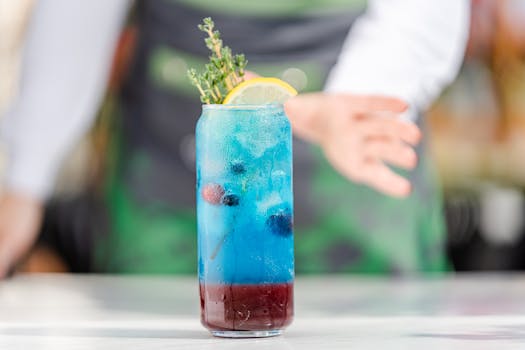
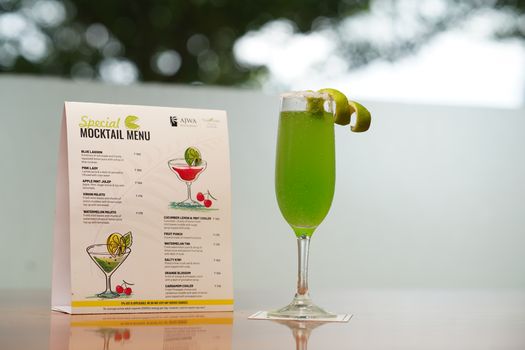
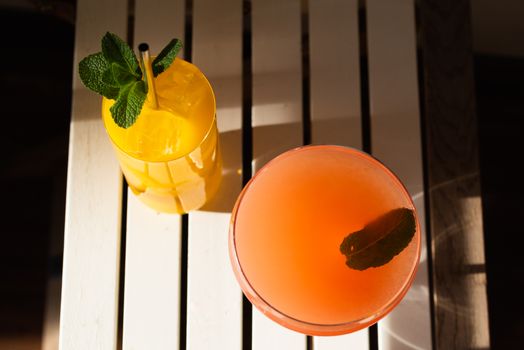
Last month, I watched a seasoned whiskey drinker at my friend's dinner party become absolutely obsessed with my ginger-cardamom shrub mocktail. "This has more complexity than half the cocktails I've had this year," he admitted, reaching for his third glass. That moment perfectly captured what I've been preaching for years: the best mocktails and low-ABV drinks aren't consolation prizes—they're deliberate celebrations of flavor, technique, and mindful consumption.
The Rise of Conscious Cocktailing
The mocktail revolution isn't just about designated drivers anymore. Professional bartenders are embracing alcohol-free and low-alcohol drinks as legitimate expressions of their craft. When I tested the new OXO Steel Cocktail Shaker for creating layered mocktails last summer, I discovered that proper technique matters even more without alcohol to mask imperfections—every ingredient needs to sing in perfect harmony.
This shift reflects broader changes in how we approach drinking culture. Whether you're participating in Dry January, managing alcohol intake for health reasons, or simply wanting to enjoy sophisticated flavors without the buzz, mocktails and low-ABV drinks offer endless possibilities for creativity.
Creating exceptional mocktails requires the same attention to equipment as traditional cocktails. A quality muddler from Amazon becomes crucial when extracting oils from fresh herbs without over-bruising them. The Cocktail Kingdom Teardrop Barspoon, available at Total Wine, allows for precise layering that creates Instagram-worthy presentations.
For low-ABV creations, accurate measurement becomes critical—the difference between 0.5% and 3% ABV can dramatically alter both flavor and effect. Invest in Japanese-style jiggers with clear measurement markings to ensure consistency across your creations.
Masterful Mocktail Techniques
Building Complex Flavor Profiles
The secret to memorable mocktails lies in creating depth without relying on alcohol's natural complexity. Use these techniques to achieve sophisticated results:
Acid Balance: Fresh citrus juices provide brightness, but don't stop there. Verjuice (unfermented grape juice) adds wine-like acidity, while shrubs contribute both acid and complexity through fruit and vinegar combinations.
Bitter Elements: Angostura bitters (just a few dashes) remain alcohol-forward but legal in mocktails. For completely alcohol-free options, All The Bitter makes excellent non-alcoholic bitters that provide crucial flavor depth.
Umami Integration: A pinch of salt, olive brine, or even tomato juice can add savory complexity that elevates simple fruit combinations into sophisticated sippers.
Temperature and Texture Management
Proper dilution becomes even more critical in alcohol-free drinks. Without alcohol's viscosity, mocktails can taste thin or overly sweet. Control dilution through:
- Using larger ice cubes that melt slowly
- Pre-chilling all ingredients before mixing
- Adding texture through egg whites, aquafaba, or cream of coconut
Low-ABV: The Goldilocks Zone
Low-alcohol cocktails (typically 3-8% ABV) occupy the sweet spot between full-strength cocktails and complete abstinence. These drinks allow for extended social sessions without significant impairment while maintaining the complexity that small amounts of alcohol provide.
Wine-Based Low-ABV Cocktails
Fortified wines like sherry, port, and vermouth become base spirits in low-ABV mixing. A simple combination of fino sherry, fresh grapefruit juice, and elderflower liqueur creates a refreshing spritz at roughly 6% ABV.
Beer and Sake Integration
Japanese sake (14-16% ABV) mixed with citrus and simple syrup creates elegant low-alcohol cocktails. Similarly, incorporating quality beer into mixed drinks—think michelada variations or beer-based punches—offers familiar flavors with reduced alcohol content.
Signature Mocktail Recipes
Garden Party Gimlet (0% ABV)
- 2 oz fresh cucumber juice
- 1 oz lime juice
- 0.75 oz rosemary simple syrup
- 4-5 fresh basil leaves
- Splash of club soda
- Garnish: cucumber ribbon and basil sprig
Muddle basil gently in shaker bottom. Add remaining ingredients except soda, shake with ice, double strain into chilled coupe. Top with soda.
Smoky Paloma Mocktail (0% ABV)
- 2 oz fresh grapefruit juice
- 0.5 oz lime juice
- 0.75 oz agave nectar
- 2 dashes smoked paprika
- Pinch of sea salt
- Grapefruit soda to top
- Garnish: salted rim, grapefruit wheel
Rim glass with salt and smoked paprika. Shake first five ingredients, strain over fresh ice, top with grapefruit soda.
Evening Garden (3% ABV)
- 1 oz dry sherry
- 1 oz elderflower liqueur
- 2 oz fresh apple juice
- 0.5 oz lemon juice
- 2 dashes orange bitters
- Garnish: apple fan, thyme sprig
Stir all ingredients over ice, strain into rocks glass with large cube.
Seasonal Considerations
Summer Refreshment
Hot weather demands lighter, more refreshing profiles. Incorporate seasonal fruits, herbs from your garden, and plenty of effervescence. Watermelon-mint combinations, peach-basil smashes, and cucumber-elderflower spritzers capture summer's essence.
Winter Warmth
Colder months call for richer, spicier profiles. Apple cider bases, warming spices like cinnamon and cardamom, and rich simple syrups infused with vanilla or maple create cozy mocktails perfect for holiday entertaining.
Hosting with Mocktails and Low-ABV Drinks
When entertaining, prepare large-format versions of your favorite recipes. Punch bowls filled with sparkling mocktails eliminate the need for individual preparation while creating visual centerpieces. Always provide both alcoholic and non-alcoholic options—never assume guests' preferences.
In my experience hosting monthly dinner parties, offering sophisticated mocktails actually encourages more adventurous drinking among guests who might otherwise stick to basic wine or beer choices. The novelty factor sparks conversation and experimentation.
The Health and Social Benefits
Beyond avoiding alcohol's negative effects, well-crafted mocktails and low-ABV drinks encourage mindful consumption. You can savor complex flavors without worrying about impairment, stay hydrated more effectively, and wake up feeling refreshed rather than regretful.
Socially, these drinks eliminate the awkward dynamic where non-drinkers feel relegated to boring options. Everyone deserves a beautifully crafted drink that matches the occasion's sophistication level.
Professional Tips for Home Bartenders
- Invest in quality non-alcoholic spirits like Seedlip or Ritual Zero Proof for complex base flavors
- Create signature house-made syrups and shrubs for unique flavor profiles
- Batch cocktails in advance for parties, adding effervescence just before serving
- Garnish with the same care you'd give alcoholic cocktails—presentation matters
- Taste constantly and adjust—without alcohol's complexity, every other element must be perfect
Remember, responsible drinking includes knowing when not to drink at all. These mocktails and low-ABV options ensure that choice never means sacrificing flavor or fun.
Whether you're exploring sobriety, reducing alcohol intake, or simply expanding your mixing repertoire, mocktails and low-ABV drinks represent the future of thoughtful cocktail culture. They prove that great drinks are about creativity, technique, and quality ingredients—not necessarily alcohol content.